✦Temple Timings Friday–Wednesday 10:30 AM–8:30 PM •Thursday 10:30 AM–9:15 PM✦

Shri Sai Baba of Shirdi

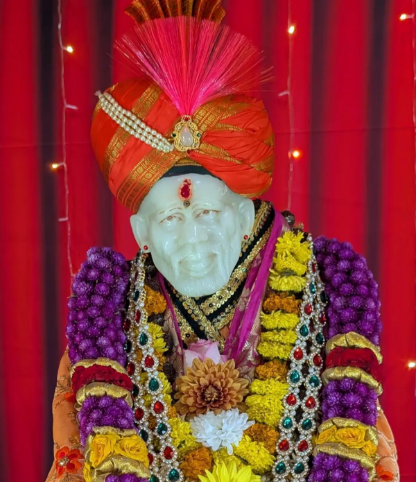
Shri Sai Baba

Shirdi Sai Baba Life, Teachings, and Divine Legacy

Shirdi Sai Baba (circa 1838–1918) is one of the greatest spiritual saints of India, revered by millions of devotees across the world. He is worshipped as a symbol of universal love, faith, patience, compassion, and selfless service. Sai Baba transcended religious boundaries and taught the oneness of all religions, emphasizing that God is one and can be realized through sincere devotion and righteous living.

His life was not merely a historical presence but a living message—guiding humanity toward inner peace, moral conduct, and spiritual awakening.

Early Life and Arrival in Shirdi

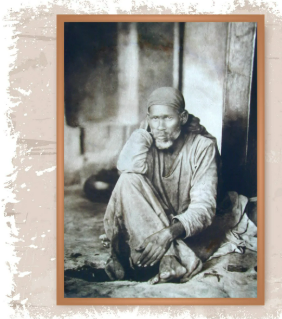
The early life and birth details of Sai Baba remain a divine mystery. This very mystery reflects his teaching that the soul is beyond identity, caste, or religion. Sai Baba arrived in the village of Shirdi, Maharashtra, as a young fakir and soon made it his permanent abode. Initially, he lived under a neem tree and later settled in an old mosque, which he named Dwarkamai. This mosque became a sacred place where people from all walks of life gathered to seek his blessings, guidance, and solace.

Life at Dwarkamai

Dwarkamai was not just a residence—it was a spiritual center. Sai Baba maintained a sacred fire (Dhuni) there, from which he distributed sacred ash (Udi) to devotees. Even today, Udi is considered a powerful symbol of healing, protection, and grace.

Sai Baba lived a life of extreme simplicity:

  • He begged for alms from a few houses daily
  • He wore a simple robe
  • He treated kings and beggars alike

Through this lifestyle, he demonstrated the values of detachment, humility, and equality.

Sai Baba at Dwarkamai
Shirdi Sai Baba

Teachings of Shirdi Sai Baba

Sai Baba’s teachings are simple, practical, and eternal. They are meant to be lived, not merely read.

His life was not merely a historical presence but a living message—guiding humanity toward inner peace, moral conduct, and spiritual awakening.

Shraddha (Faith) -

Sai Baba emphasized unwavering faith in God and trust in divine timing. Faith strengthens the mind and removes fear.

Saburi (Patience) – Patience is the ability to endure difficulties calmly. Sai Baba taught that patience leads to wisdom and spiritual growth.

Unity of Religions

He respected all religions equally:

  • He read the Quran
  • Spoke from Hindu scriptures
  • Celebrated festivals of different faiths

His life demonstrated that all paths ultimately lead to the same truth.

Love and Compassion –

Serving humanity is serving God. Sai Baba encouraged feeding the poor, helping the sick, and showing kindness to all living beings.

Detachment and Contentment –

He taught devotees to perform worldly duties honestly while remaining unattached to desires and ego.

“Why fear when I am here?”
“If you look to me, I look to you.”

Miracles of Sai Baba

Miracles of Sai Baba

Sai Baba performed numerous miracles, not to display power, but to strengthen faith and remove suffering. Devotees experienced:

  • Physical and mental healing
  • Protection from danger
  • Fulfillment of sincere prayers
  • Spiritual transformation

Many miracles are recorded in the holy book Shri Sai Satcharitra, written by Hemadpant, which is regarded as a sacred text by devotees.
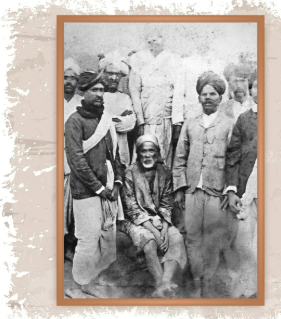
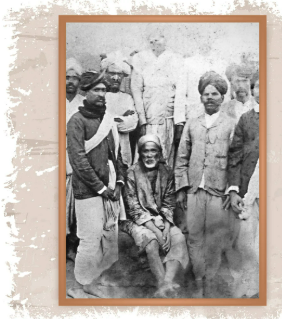
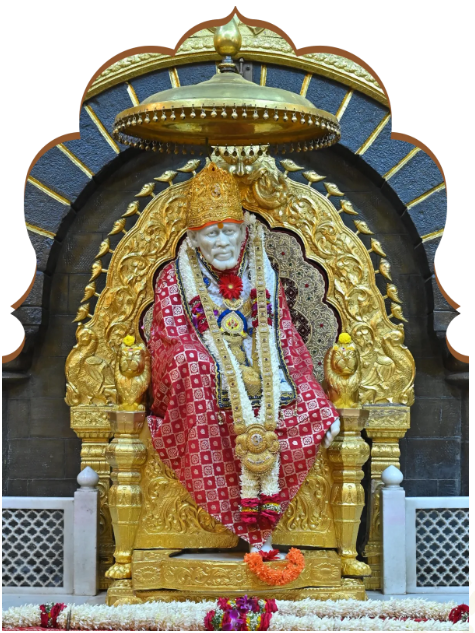
Sai Baba Samadhi and Shirdi Temple

Sai Baba Samadhi and Shirdi Temple

Sai Baba attained Mahasamadhi on 15 October 1918. His mortal remains were laid to rest in what is now the Samadhi Mandir in Shirdi. Today, Shirdi is one of the most important pilgrimage centers in India, visited by millions annually.

The Shirdi temple complex includes:

  • Samadhi Mandir
  • Dwarkamai
  • Chavadi
  • Gurusthan
  • Lendi Baug

Each site reflects an important aspect of Sai Baba’s life and teachings.

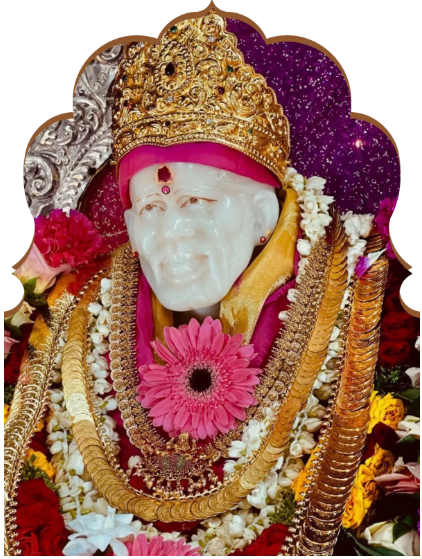
Worship and Devotion

Worship and Devotion

Devotion to Sai Baba takes many forms:

  • Daily prayers and meditation
  • Reading or listening to Sai Satcharitra
  • Performing Thursday Vrat
  • Participating in Aartis (Kakad, Madhyan, Dhoop, and Shej Aarti)
  • Chanting his sacred name

Common Chant: Om Sai Ram. Devotees believe that sincere remembrance of Sai Baba brings peace, guidance, and divine protection.

Message for the Modern World

Sai Baba’s teachings are especially relevant in today’s world filled with stress, division, and materialism.

His message inspires people to:

  • Live ethically
  • Love unconditionally
  • Serve selflessly
  • Maintain faith during hardships

He showed that spirituality is not renunciation of life, but living life with awareness, compassion, and devotion.

Eternal Presence

Sai Baba assured his devotees that he would remain ever-present even after leaving his physical body. Millions continue to experience his guidance and blessings, affirming that Sai Baba lives on through faith and devotion. “My treasury is open, but no one brings carts to take from it.”